Light Feet, Clear Eyes, Mountain Stories

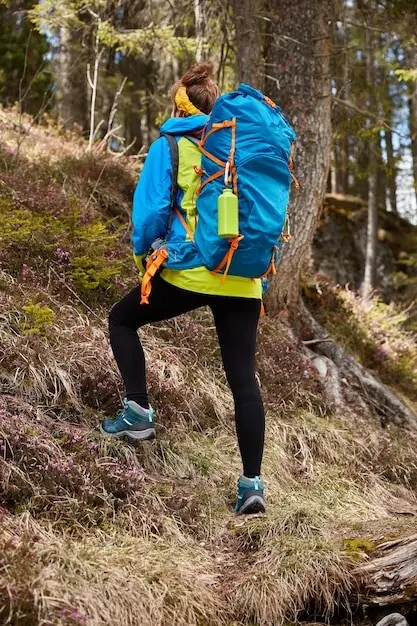
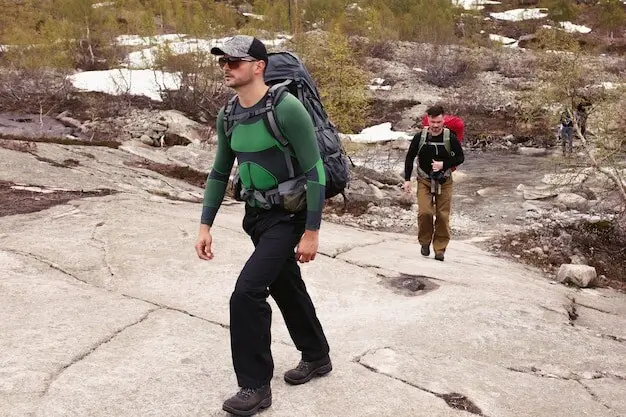
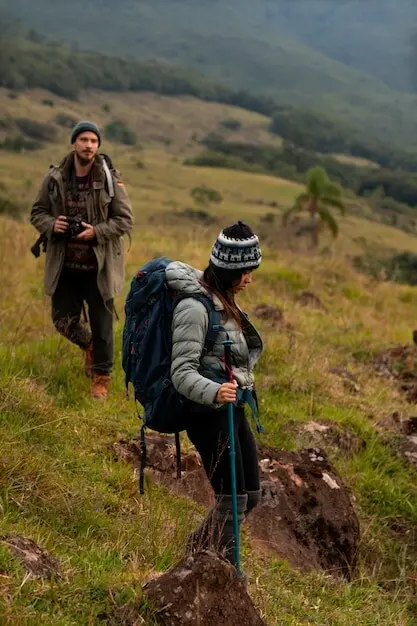
Today we dive into mindful alpine landscape photography with ultra-lightweight gear, exploring how traveling lean sharpens awareness, protects energy at altitude, and opens space for patient seeing. Expect practical packing insights, field practices for presence, and creative techniques that honor mountain light while keeping weight, risk, and distraction to a thoughtful minimum.

Pack Less, See More: Building an Ultralight Kit

Every gram you remove from your pack returns attention to breath, footing, and light. Instead of chasing options, curate a small system that earns trust on steep ground, in fickle weather, and during long blue-hour walks. Think reliability, redundancy only where it matters, and protective simplicity that helps you stay present when the sky finally opens.

Camera and Lenses That Earn Their Place

Choose a compact mirrorless body with strong dynamic range, dependable weather resistance, and batteries that tolerate cold. A single versatile zoom or two small primes can handle layered ridges, close textures, and distant alpenglow without excessive lens swapping. Wrap gear in flexible pads, use a simple cross-body strap, and prioritize control layout that works with gloves.

Clothing, Shelter, and Safety Without the Bulk

Build a lean layering system: breathable base, active insulation, and a stormproof shell that blocks gusts without trapping sweat. Add a lightweight puffy for still moments, microspikes for shady névé, and a compact emergency bivy. Include a minimalist first aid kit, headlamp with spare battery, and reliable communication, remembering that warmth and signal can matter more than extra glass.

Food, Water, and Power That Keep You Present

Carry calorie-dense snacks you can eat while moving, plus a collapsible bottle and an ultralight filter for glacial streams. Favor electrolytes that reduce cramps and mental fog. Pack spare camera batteries warmed in a pocket, manage airplane mode to conserve phone power, and schedule brief rest stops for charging and refueling so the best light finds you steady and ready.

Presence at Altitude: Field Practices for Clarity

High places amplify everything: wind, silence, effort, and awe. Mindful habits protect curiosity when breath shortens and paths tilt skyward. With deliberate pacing, intentional pauses, and short rituals that slow the mind, you notice fleeting cloud breaks, crystalline textures in snow, and the quiet geometry between ridgelines that might otherwise slip past while you chase the next overlook.
Match steps to slow, even breathing, letting inhales guide planting and exhales soften the next move. This rhythm reduces tunnel vision and keeps your gaze receptive to sidehill details and sudden light changes. When the trail steepens, shrink goals, count gentle cycles, and watch how patient cadence reveals compositions you would miss while charging toward the summit.
When gusts push you off balance and fingers numb, stillness becomes deliberate. Tuck behind a boulder, kneel low, and notice how the world simplifies. Wait for a lull that aligns drifting veil clouds with a sunlit face. Accept fewer frames, higher quality breath, and the relief that comes when you stop fighting conditions and start reading their music.

Composing with Peaks, Light, and Scale

Alpine space can overwhelm with enormity and brightness. Composition tames vastness by organizing planes, edges, and glow. Work with foreground grit, mid-distance rhythm, and distant toothy silhouettes, letting light reveal hierarchy. Embrace negative space, lean on diagonals for movement, and use human traces sparingly, honoring proportion while inviting viewers to feel altitude in their bones.

Lines, Layers, and the Human Measure

Ridges cascade like pages; place a textured foreground rock to ground the first line, then stack receding layers to communicate distance. A small figure or trekking pole shadow can clarify scale without stealing attention. Tilt slightly upward to honor vertical drama, and refine edges so peaks do not kiss frame borders uncomfortably when the wind nudges your stance.
Clouds, Weather Windows, and Soft Transitions

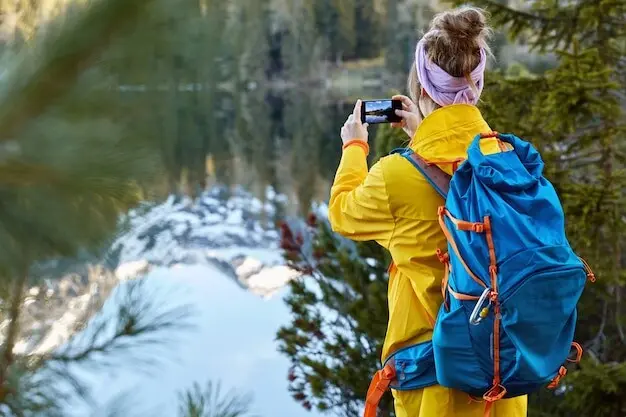
In the mountains, light often travels sideways, sneaking under cloud decks and painting cliffs. Watch for thin gaps that form after squalls; these windows create gentle gradients your sensor loves. Meter for highlights, protect snow detail, and let cloud-softened contrast carry mood. Be patient with clearing storms; their edges write the most generous transitions across stone and ice.
Snow, Rock, and Color Restraint

Bright snow begs for subtlety. Expose carefully to preserve sculpted texture, then lift shadows just enough to reveal crystalline relief. Let muted palettes breathe; a moss patch or rusty lichen can punctuate without shouting. When rock and snow compete, simplify by changing your angle, cropping distractions, or waiting until directional light unifies shapes into a clear conversational flow.
Stability Without a Tripod

Trekking Pole Monopod and Trail Supports

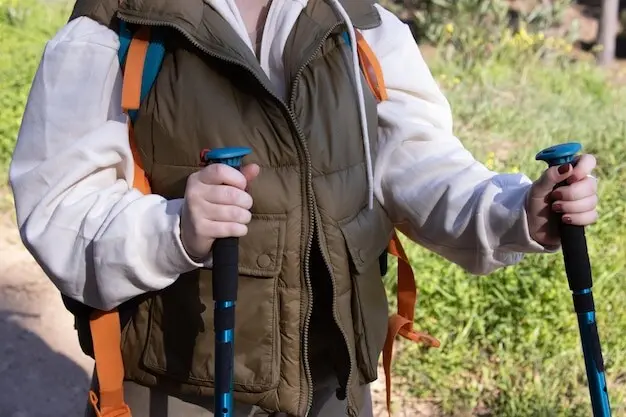
Convert a trekking pole into a monopod using a small adapter and wrist loop tension. Plant the tip, lean gently forward, and sync breathing with exposure. Brace against rock, knees, or pack for two-axis stability. This flexible triangle reduces sway, travels everywhere anyway, and invites micro-compositional tweaks that feel agile rather than encumbered by rigid hardware.

Handheld Sharpness Through Technique and Tech

Convert a trekking pole into a monopod using a small adapter and wrist loop tension. Plant the tip, lean gently forward, and sync breathing with exposure. Brace against rock, knees, or pack for two-axis stability. This flexible triangle reduces sway, travels everywhere anyway, and invites micro-compositional tweaks that feel agile rather than encumbered by rigid hardware.

Long Exposures with Featherweight Filters

Convert a trekking pole into a monopod using a small adapter and wrist loop tension. Plant the tip, lean gently forward, and sync breathing with exposure. Brace against rock, knees, or pack for two-axis stability. This flexible triangle reduces sway, travels everywhere anyway, and invites micro-compositional tweaks that feel agile rather than encumbered by rigid hardware.

Navigation, Risk, and Care for Fragile Places

Creativity thrives when risk is understood and minimized. Study maps and forecasts until terrain reads like a friend’s handwriting. Choose lines that protect ankles, timing, and morale. Respect alpine vegetation, thawing soils, and wildlife rhythms. The images you bring home should carry gratitude for shared ground, not traces of carelessness etched into delicate, slowly healing places.

From Field to Story: Editing and Sharing with Intention

A Shot List that Breathes

Draft a loose checklist—wide establishing views, intimate textures, weather transitions, and human elements—but keep space for serendipity. Let changing light revise priorities. After each stop, ask what feeling is missing, then pursue it. This blend of intention and openness guards against formula, helping the day cohere without suffocating the surprises mountains love to offer.

Trailside Mobile Editing that Respects the Scene

Use gentle global adjustments first: white balance for true snow, exposure for highlight detail, and contrast that preserves air. Crop deliberately to clarify intent, then apply subtle local tweaks. Avoid heavy color shifts that break trust. Export small proofs for reflection during dinner, saving final refinements for rested eyes and a fresh sense of proportion.

Inviting Conversation, Not Just Applause

When sharing, include notes on decisions: why you left the tripod, how a pause revealed form, what the wind taught. Ask viewers what they felt or noticed. Encourage route questions, safety considerations, and mindful practices. Community grows around curiosity and care, transforming images from trophies into shared invitations to move lightly through large, listening places.

Lentozorivarolaxinarikento
Privacy Overview

This website uses cookies so that we can provide you with the best user experience possible. Cookie information is stored in your browser and performs functions such as recognising you when you return to our website and helping our team to understand which sections of the website you find most interesting and useful.