Alpine Horizons by Rail
Set your compass for Traveling the Alps by Scenic Rail: A Minimal-Footprint Adventure Itinerary, where glass-domed carriages curve past glaciers, quiet villages, and storybook valleys while your carbon impact stays astonishingly light. We will map graceful connections, highlight unforgettable viewpoints, and share practical tips for comfort, safety, and culture-forward experiences. Join in by commenting with your dream route, subscribe for fresh updates, and help shape a community that chooses slower beauty, local flavor, and thoughtful stewardship across Switzerland, Italy, France, Austria, and beyond.

Designing a Low-Carbon Alpine Rail Journey

Plan a seamless sequence of mountain routes that favors electrified lines, well-timed transfers, and generous buffer days, so serenity replaces stress across high passes and deep valleys. We will balance headline journeys like Glacier Express and Bernina with flexible local services, reduce unnecessary detours, and craft basecamps that save energy and time. Smart connections, night trains into gateway cities, and seasonally tuned choices keep the experience vivid while your footprint remains respectfully small.

Build a Carbon-Smart Itinerary

Anchor your route around efficient corridors and car-free bases, letting frequent regional trains and funiculars replace rental cars entirely. Consider arriving by night train to Zurich, Milan, or Vienna, then flowing toward peaks using Swiss Travel Pass or Interrail for flexibility. Pack in scenic lines without chasing them frantically, and cluster excursions by valley to avoid backtracking. Favor renewable-powered networks, plan leisurely stopovers, and celebrate each transfer as part of the story rather than a chore.

Seasons, Snow Lines, and Timetables

The Alps change character with every month, shaping rail availability, mountain access, and crowd rhythms. Shoulder seasons bring quiet platforms, soft light, and occasional maintenance closures on lifts. Summer opens panoramic trails but tests patience on popular lines. Winter gifts snowy drama and punctual trains, yet daylight becomes precious. Track holiday surges, reserve panoramic seats early, and study construction notices. Prioritize flexibility, build weather buffers, and remember that a misty valley can become pure magic minutes later.

Passes, Supplements, and Seat Choices

Not all tickets are equal on scenic routes. Passes often cover base fares while panoramic services, like Glacier Express or Bernina Express, add reservation supplements. Compare benefits across Swiss Travel Pass, Interrail, or regional offers, checking discounts on mountain lifts. For views, choose right- or left-hand seats depending on the segment, and embrace occasional local trains with opening windows for photography. Keep digital copies handy, watch validity zones, and confirm whether dining cars or picnic policies fit your plans.

Glacier Express: From Matterhorn Valleys to the Rhine Gorge
Between Zermatt and St. Moritz, the Glacier Express frames the Oberalp Pass and the Rhine Gorge like a slow-blooming film. Panoramic windows invite daydreams while onboard commentary enriches geology and history. Consider segmenting the ride, overnighting in Andermatt or Chur to stretch the views and explore. Book reservations early, bring a simple picnic to complement the dining service, and use connecting local trains for quieter photo stops and spontaneous village wanders away from the marquee stations.

Bernina Express: Red Trains Over Ice and Stone
Crossing the Albula and Bernina lines, this route climbs to Lago Bianco before spiraling gracefully toward the Italian warmth of Tirano. The contrast from glacier glow to palm-lined piazzas is unforgettable. For clear photographs, consider regional companion trains with opening windows, then link to Tirano’s cafés and Valtellina flavors. Watch for the Brusio Circular Viaduct, where geometry meets mountain drama, and travel early or late in the day when slanted light sculpts peaks, snowfields, and viaduct arches with soulful precision.

GoldenPass and Lake Lucerne Circuit: Boats, Peaks, and Belle Époque
From Montreux’s Riviera vibe through vineyard terraces to Interlaken and onward to Lucerne, the GoldenPass corridor feels like a continuous postcard. Consider vintage carriages or the modern through-service aligning gauges seamlessly. Pair trains with Lake Lucerne steamers and cliffside funiculars to Rigi or Pilatus for layered panoramas. Pause in lakeside towns for markets and artisan bakeries, then ride late-afternoon golden hours back along the water. It is refined, flexible, and irresistibly photogenic without hurried transfers or car reliance.

Eco-Friendly Bases: Car-Free Towns and Thoughtful Stays

Choosing the right base reduces miles traveled and deepens your connection to place. Car-free villages and rail-rich hubs give you sparkling mornings on nearby trails and relaxed evenings in candlelit taverns, all without traffic or parking stress. Seek lodgings that measure energy, source locally, and minimize waste, from historic inns to alpine huts. This approach lightens your footprint, amplifies spontaneity, and invites meaningful conversations with residents who keep these landscapes alive through craftsmanship, seasonal rhythms, and generous hospitality.

Car-Free Icons: Zermatt, Wengen, Mürren, Saas-Fee

These havens trade engines for fresh air and the measured pace of village life. Electric shuttles hum, church bells mark the hours, and trailheads start at your doorstep. Wake to the Matterhorn’s silhouette, ride mountain railways without queues of cars, and stroll lantern-lit lanes after dusk. Grocers stock alpine cheeses and breads ideal for rail picnics. With everything reachable on foot, your days stretch longer, your costs stay saner, and the surrounding peaks feel closer, gentler, and more personal.

Eco-Certified Lodgings and Alpine Huts

Look for certifications like EU Ecolabel, ibex fairstay, or Swisstainable, and read how properties cut energy use and food waste. Many inns partner with local farms, refill bottles, and lend trekking poles or snowshoes. Mountain huts managed by alpine clubs offer simple comfort, family-style meals, and shared camaraderie above treeline. Pack in and pack out respectfully. Book early for popular weekends, bring earplugs for dorms, and embrace early breakfasts that send you onto the day’s ridge walks before crowds arrive.

Slow Days, Deep Roots

Alternate long scenic rides with unrushed village days. Visit a cheesemaker at dawn, sketch ridge profiles from a riverside bench, or take a language mini-lesson with a patient barista. Gentle pacing dampens logistics stress and reduces transfer emissions. Your senses sharpen, letting woodsmoke, cowbells, and glacial rivers layer into memory. Allocate a rest day every three or four, stroll markets, and journal by the station clock, listening as departures and arrivals weave new possibilities into a calm, regenerative rhythm.

Packing Light for Peaks, Platforms, and Panoramas

Minimal luggage makes transfers graceful, helps you board quickly, and respects station stairways and alpine paths. Focus on layers that dry quickly, shoes that grip wet stone, and compact tools that improve safety without bulk. A small daypack for windowside photography, refillable bottle, and waste-light picnic kit keep trains tidy and wallets happy. Packing lean also frees mindspace, turning every change of platform into an easy dance rather than a struggle through crowds, doors, and narrow vestibules.

Master the Four-Layer Clothing System

Build a versatile wardrobe around breathable base layers, insulating mid-layers, a windproof shell, and an emergency warmth piece for altitude swings. Merino tees resist odor on multi-day rides, while softshell trousers handle drizzle and café stops gracefully. Add a compact beanie and gloves even in summer for high passes, plus sunglasses with strong UV protection for snow glare. Choose quick-dry socks, a lightweight scarf, and shoes with dependable grip, ensuring comfort from carriage aisle to granite ridge.

Micro-Kit Essentials for Rail and Ridge

Tuck a universal adapter, slim power bank, and short cables in a dedicated pouch to conquer carriages without outlets. Include a tiny first-aid kit, blister care, and a whistle. A foldable cup, utensil spork, and napkin enable spontaneous market picnics. Earplugs, sleep mask, and a soft neck scarf ease night transfers. Zip bags corral snacks and protect maps. Add sunscreen, lip balm, and a compact headlamp for tunnels and pre-dawn starts, keeping your kit efficient, purposeful, and calm.
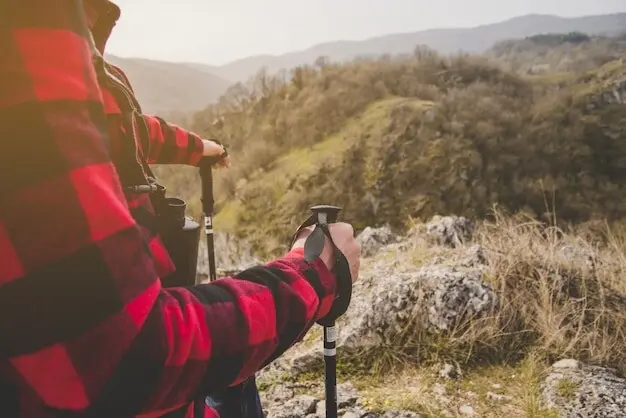
Iconic Day Hikes From the Platform
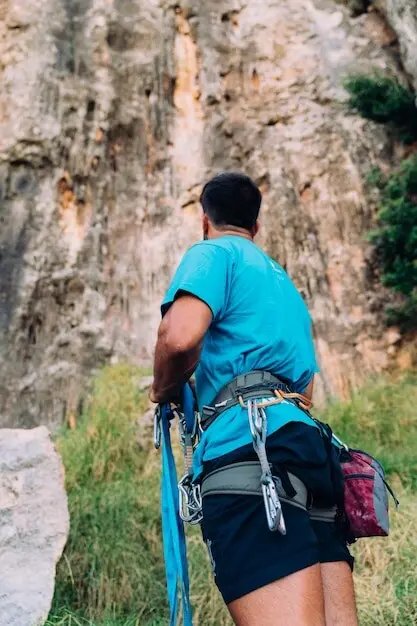
Step from trains onto trails that deliver outsized returns with thoughtful effort. Try the Rigi Panorama Way from Rigi Kaltbad for lake views, Schynige Platte’s botanical loops for wildflower wonder, or the Five Lakes Walk near Zermatt for mirrored Matterhorn scenes. Consider Pilatus ridge paths and Kitzbühel’s gentle contours. Start early to share space respectfully, pack layers, and time your descent to a precise departure. The right alignment between timetable and trailhead transforms logistics into confidence and ease.

Read the Sky: Weather, Risk, and Turning Back

Mountain weather turns fast; blue can gray before you finish lunch. Check forecasts with MeteoSwiss or Bergfex, note freezing levels, and watch wind speeds on exposed ridges. Carry a map, charged phone, food, and extra insulation. Set a turnaround time before starting and respect it without second-guessing pride. If thunderheads build or sleet bites, descend promptly. Share your plan with a companion or hotel host, and memorize emergency numbers. Wise restraint today preserves adventures across a lifetime of summits.

Language, Food, and Everyday Courtesies on the Line

{{SECTION_SUBTITLE}}
Markets and Mountain Tables
Morning markets near stations overflow with cheeses, berries, breads, and cured delicacies shaped by altitude and season. Ask for tastings, gather picnic ingredients, and learn recipes from patient vendors. Seek farm restaurants serving seasonal plates, then return dishes and sort waste thoughtfully. In villages, reservations help small kitchens plan sustainably. Try herbal teas from local meadows and syrups that capture summer in a glass. Your curiosity circulates value through the valley, celebrating producers who keep landscapes tended and traditions alive.

Phrases That Unlock Smiles

A handful of words in German, French, Italian, or Romansh transforms interactions: greetings, please, thank you, and simple questions about platforms or timetables. Practice pronunciation, keep a pocket list, and pair language with eye contact and patience. Even imperfect efforts earn generous smiles. Learn signage icons for quiet cars, family zones, and bicycle spaces. When unsure, ask gently and listen fully. Language is bridgework between moments, turning practical exchanges into warm memories that brighten over successive valleys and sparkling lakes.
Lentozorivarolaxinarikento
Privacy Overview

This website uses cookies so that we can provide you with the best user experience possible. Cookie information is stored in your browser and performs functions such as recognising you when you return to our website and helping our team to understand which sections of the website you find most interesting and useful.