Pack Light, Roam High: Building a Responsible Alpine Capsule Wardrobe
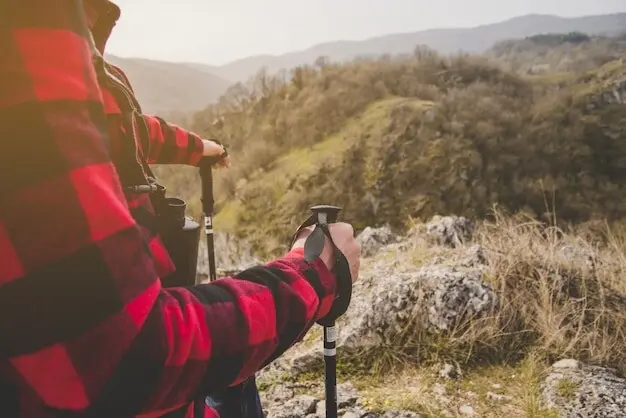
This guide explores building a capsule outdoor wardrobe for low-impact travel in alpine climates, balancing warmth, weather protection, and versatility with a lighter footprint. Expect practical layering strategies, material insights, repair tips, and packing advice designed for trains, trails, and huts, so you can move confidently, care for your gear, and respect delicate mountain environments throughout rapidly changing conditions.

Foundations of a High-Altitude Capsule

Alpine weather can swing from fierce sun to sleet within a single ascent, so every piece must adapt, layer smoothly, and earn its weight. Prioritize moisture management, fast-drying fabrics, and modular warmth, then factor in ethical sourcing and longevity. The goal is a compact set that mixes easily, suits varied itineraries, and reduces environmental impact without sacrificing safety, comfort, or style along exposed ridgelines and in crowded hut corridors.

Natural Fibers for Base Comfort

Merino at 150–200 gsm balances breathability with warmth, resisting odor on multi-day stretches without laundry. Blends with Tencel can improve softness and moisture transport, while pure merino feels plush under pack straps. It may dry slower than synthetics, so rotate tops when sweating heavily. Wash cool, dry flat, and avoid overfrequent laundering. A couple of thoughtfully chosen base layers can carry you from frosty trailheads to golden, windless cols.

Recycled Synthetics and Insulation Choices

Grid fleece in recycled polyester breathes on climbs and insulates on breezy traverses. Synthetic fills like PrimaLoft perform better when damp, while responsibly sourced down delivers unmatched warmth-to-weight in cold, dry spells. Consider 800-fill down for compressibility and warmth, but keep a protective shell nearby. Box or sewn-through baffles handle wind differently; assess your route’s exposure. Prioritize recycled face fabrics and liners to cut virgin resources without sacrificing mountain-ready performance.

From Skin Outward: Essentials That Earn Every Gram

Pack two odor-resisting base tops, two underwear pairs, and one thermal legging for chilly huts. Add a breathable grid fleece or active synthetic jacket, a compact insulated piece for stops, and a reliable three-layer shell. Choose softshell or durable hiking pants, plus light rain pants if monsoons loom. Finish with a beanie, buff, sun hat, and lightweight gloves. Each item should have multiple jobs, integrate well, and dry overnight near a hut radiator.

Footwear and Sock Systems for Mixed Terrain

Decide between supportive mids for talus stability or breathable trail runners with rock plates for long traverses. Pair merino socks with thin liners to manage friction and extend wear between washes. Air shoes at lunch, loosen laces on descents, and tape hot spots early. Consider low-profile gaiters for scree. Check outsole grip on wet limestone, and understand your footwear’s limits with traction aids. When fit is dialed, your stride becomes your favorite viewfinder.

Accessories That Punch Above Their Weight

Choose sunglasses rated Category 3 or 4 for high-UV snowfields, a crushable sun hat, and a compact headlamp with a reliable lockout. Add ultralight micro-spikes only if conditions warrant. Tuck in repair tape, a few meters of cord, and tiny carabiners for drying lines. Include water treatment tabs, a collapsible bottle, and a sturdy mug-spork set. These small additions prevent discomfort, streamline camp routines, and preserve energy for the ridge that matters.

Smart Packing for Trains, Trails, and Huts

A 30–35 liter pack can carry days of alpine comfort when every item plays multiple roles. Use lightweight cubes to separate wet from dry, keep storm layers handy in an outer pocket, and secure documents inside a zip pouch. For low-impact travel, favor trains and buses, then hike hut-to-hut to lighten food and shelter loads. Small habits—rolling, compressing, and thoughtful access—save precious minutes when thunderheads build behind a distant, shimmering peak.

One Pack for Many Days, Without the Chaos

Place dense items close to your spine at mid-back height, cushion hard edges with spare layers, and route hydration easily. Assign a bright stuff sack to critical kit you cannot misplace. Keep the shell accessible for surprise squalls, and separate a small bag for damp socks. Use a pack liner or ultralight dry bag to safeguard insulation. Predictable organization shortens transitions, reduces stress, and helps you notice missing items before the last funicular departs.

Laundry on the Go and Odor Control

Rely on merino’s odor resistance to stretch wear, then wash selectively in a basin with biodegradable soap far from waterways, following local guidelines. Roll garments in a towel, press to remove moisture, and hang near a ventilated window. Air items in morning sun to refresh. Sprinkle a pinch of baking soda in shoes overnight. With a two-top rotation, patience, and airflow, you stay fresh enough for close hut dining tables and crowded gondola rides.

Field Repairs That Save the Day

A strip of Tenacious Tape seals shell tears, dental floss sutures a busted pack seam, and a safety pin can rescue a stubborn zipper slider for the hike to safety. Dab superglue on peeling toe rands only as a stopgap. These quick fixes keep you warm, dry, and moving until proper repairs. I once patched a cuff on a windswept ridge, then reached the hut grinning, sleeves secure and morale restored.

Cleaning, Reproofing, and Off-Season Storage

Rinse mud before it abrades fibers, then wash shells with a technical detergent and gently tumble to reactivate water repellency. Down pieces appreciate specialized soap and a careful low-heat dry with clean tennis balls. Store insulation uncompressed, remove batteries from headlamps, and slip silica packs into boot bags. A cedar block discourages moths. At season’s end, inspect seams, refresh DWR, and list needs early so sales or swaps can fill gaps responsibly.

Lessons From the High Route

Alpine capsuling shines on long traverses between huts, where storm windows shrink and routes demand flexibility. On the Tour du Mont Blanc, one pairing of base, mid, and shell handled blazing cols and sleet-slick ladders. Low-impact travel meant rail approaches, local groceries, and careful water refills. Compact kits move kindly through tight bunkrooms, dry overnight, and keep morale bright. What remains is freedom: miles of horizon and a pack that encourages curiosity.

A Morning Above Treeline: Notes From My Journal

Dawn turned the aiguilles pink as a chilly breeze lifted from the glacier. I wore a light merino, windshirt, and gloves, stashing my insulated layer near the top of the pack. By noon, sun and switchbacks demanded venting zips. When afternoon thunder gathered, a fast shell pull-on felt effortless. Back at the hut, socks dried by the window, and gratitude replaced weight. The capsule worked, and the view taught the rest.

Respectful Travel: Footprint, Access, Community

Stay on durable surfaces, pack out tissues, and greet wardens with patience. Learn a few local phrases, carry cash for huts, and respect quiet hours. Refill bottles at designated taps, use compost toilets correctly, and keep soap well away from streams. Share trails with livestock and give priority where posted. Support local makers with small purchases. Responsible choices gently weave your journey into the region’s fabric, protecting access and welcoming smiles for the next traveler.

Subscribe, Share, and Join the Conversation

Tell us your 12-item alpine capsule, the piece you repaired instead of replacing, and the train route that turned logistics into part of the adventure. Subscribe for seasonal packing updates, fabric breakthroughs, and hut etiquette refreshers. Comment with questions, post your clever multi-use hacks, and tag your ridge selfies responsibly. Together we refine what to carry, how to care for it, and how to tread lightly while chasing big, luminous horizons.
Lentozorivarolaxinarikento
Privacy Overview

This website uses cookies so that we can provide you with the best user experience possible. Cookie information is stored in your browser and performs functions such as recognising you when you return to our website and helping our team to understand which sections of the website you find most interesting and useful.